
Choosing the right water bottle size can make staying hydrated more convenient. A compact bottle is easy to carry, while a larger one means fewer refills. The best choice depends on your routine, access to drinking water, activity level, and how much weight you want to carry.
Below, you'll find practical water bottle capacity recommendations for work, workouts, travel, and more. These sizes refer to bottle capacity, not how much water you should drink per day. Your fluid needs vary with factors such as activity, temperature, and individual health.
Water Bottle Size Guide: Quick Reference
| People / Activities | Suggested Bottle Capacity |
|---|---|
| Adults who prefer frequent sips | 22–32 oz |
| Hikers and outdoor enthusiasts | 32–40 oz |
| Gym-goers and fitness enthusiasts | 22–40 oz |
| Athletes doing intense workouts | 64–128 oz |
| People in hot or humid conditions | 64–128 oz |
| Frequent travelers | 32–40 oz |
| Runners | 16–24 oz |
| Everyday office use | 32–40 oz |
| Camping trips and group water storage | 128–256 oz |
| Outdoor workers | 64–128 oz |
| Pregnant people | 32–40 oz |
| Breastfeeding parents | 64–87 oz |
| Teens | 22–32 oz |
| Older adults | 22–32 oz |
| People tracking fluids for medical reasons | 32–40 oz |
| People focused on weight management | 32–40 oz |
| Schoolchildren | 12–16 oz |
| People who prefer fewer refills | 64–128 oz |
| People carrying hot drinks | 16–20 oz |
| Desk workers who prefer a compact bottle | 16–20 oz |
How to Choose the Right Water Bottle Size
Before choosing a bottle, think about where you'll use it and how often you can refill it. Smaller bottles are typically lighter and easier to fit into a bag. Larger bottles are useful for long days away from a water source, but they can be heavy when full. Features such as insulation, a comfortable handle, and a leak-resistant lid may be just as important as capacity.

For Adults Who Prefer Frequent Sips: 22–32 oz
A 22–32 oz water bottle is a versatile choice for daily use. It holds a practical amount of water without being overly bulky, making it suitable for commuting, errands, and keeping close by at home. Refill it as needed rather than treating its capacity as a daily drinking target.
For Hikers and Outdoor Enthusiasts: 32–40 oz
A 32–40 oz bottle offers a useful balance of capacity and portability for shorter hikes and outdoor activities. A secure handle can make the bottle easier to carry or attach to your gear.
For example, a water bottle with a paracord handle can be a practical option on the trail. For longer routes or hot weather, plan for additional water or reliable refill points rather than relying on a single bottle.
Learn more about choosing a 40 oz insulated hiking water bottle with a paracord handle.
For Gym-Goers and Fitness Enthusiasts: 22–40 oz
For gym sessions, a 22–40 oz water bottle can work well, depending on workout duration and access to a refill station. Choose a smaller size for convenience or a larger one if you prefer fewer trips to the water fountain.
If you sweat heavily or exercise for extended periods, your hydration needs may increase. Bottle size alone doesn't determine how much you should drink.
For Athletes Doing Intense Workouts: 64–128 oz
For long training sessions, a 64–128 oz sports water bottle can provide a convenient supply of water between refills. Because these bottles can be heavy when full, you may prefer to keep one at the sidelines or use it to refill a smaller bottle.
Hydration needs during intense exercise depend on sweat loss, conditions, and workout length. Avoid assuming that you need to drink an entire large bottle in one session.
For People in Hot or Humid Conditions: 64–128 oz
If you spend long periods in hot or humid environments, a 64–128 oz bottle can help you keep water readily available. Consider an insulated design to help keep drinks cool, and plan ahead for safe refill opportunities.
In high heat, take appropriate breaks and follow workplace or activity-specific hydration guidance. Carrying more water is useful, but it does not by itself prevent heat-related illness.
For Frequent Travelers: 32–40 oz
A 32–40 oz travel bottle is a useful option for road trips and long travel days. It offers good capacity while remaining manageable in a backpack or carry-on.
Check the bottle's dimensions if you need it to fit a cup holder or bag pocket. If you're flying, follow airport security rules and refill your empty bottle after screening where permitted.

For Runners: 16–24 oz
A 16–24 oz bottle is often easier to carry on a run because it adds less weight and bulk. A comfortable grip or running-specific design can also make a difference.
For longer runs, consider planned water stops, a hydration vest, or additional bottles. Choose your setup based on distance, weather, and personal needs.
For Everyday Office Use: 32–40 oz
A 32–40 oz bottle is well suited to office workers who want fewer refills during the workday. It provides plenty of room for water and can sit conveniently on a desk.
Keep in mind that larger bottles do not fit every cup holder or bag pocket. If compactness matters more than capacity, a smaller 16–20 oz option may be more convenient.
For Camping Trips and Group Water Storage: 128–256 oz
For camping, a 128–256 oz container can be useful for storing and transporting water at a campsite. This size is better suited to camp storage or shared use than to carrying on a hike.
Estimate how much water your group will need for drinking and other essentials, and confirm whether potable water is available at your destination. A large container may be only one part of your water plan.
For Outdoor Workers: 64–128 oz
For long shifts outdoors, a 64–128 oz bottle helps keep a substantial water supply close at hand. A wide-mouth design can make filling and cleaning easier.
Choose a capacity that fits your worksite, access to refills, and carrying requirements. When working in heat, follow relevant safety practices rather than using bottle capacity as a substitute for a hydration plan.
For Pregnant People: 32–40 oz
A 32–40 oz bottle can be a convenient choice during pregnancy: it's easy to keep nearby and refill throughout the day. Features such as a straw lid or comfortable handle may make regular sipping easier.
Hydration needs during pregnancy are individual. Follow guidance from your prenatal healthcare professional rather than using bottle size as a daily intake recommendation.
For Breastfeeding Parents: 64–87 oz
A 64–87 oz bottle can be handy at home if you want a larger supply of water within reach during feeding sessions. If a full bottle feels too heavy, keep a smaller bottle nearby and refill it as needed.
Breastfeeding can affect fluid needs, but there is no single bottle size or fixed amount that suits everyone. Drink according to your needs and any individualized medical advice.
For Teens: 22–32 oz
A 22–32 oz bottle offers a good balance of capacity and portability for many teens. Look for a durable, leak-resistant option that fits comfortably in a school bag or sports bag.
Activities, school-day schedules, and refill access all influence which size will be most practical.
For Older Adults: 22–32 oz
For older adults, a 22–32 oz bottle can make water readily available throughout the day. Prioritize a bottle that's comfortable to lift, open, and clean; a lighter or smaller bottle may be preferable if grip strength or mobility is limited.
If a healthcare professional has recommended a particular fluid intake or restriction, follow that guidance.
For People Tracking Fluids for Medical Reasons: 32–40 oz
A 32–40 oz bottle with clearly marked measurements may make it easier to keep track of fluid intake. However, some medical conditions require more fluid, while others require limits.
Choose your bottle based on the plan provided by your healthcare professional, not a general capacity recommendation.
For People Focused on Weight Management: 32–40 oz
A 32–40 oz bottle can be a practical reminder to keep water nearby while following your usual routine. Its larger capacity may reduce the number of refills you need throughout the day.
Staying hydrated supports everyday well-being, but a specific bottle size does not guarantee weight loss.
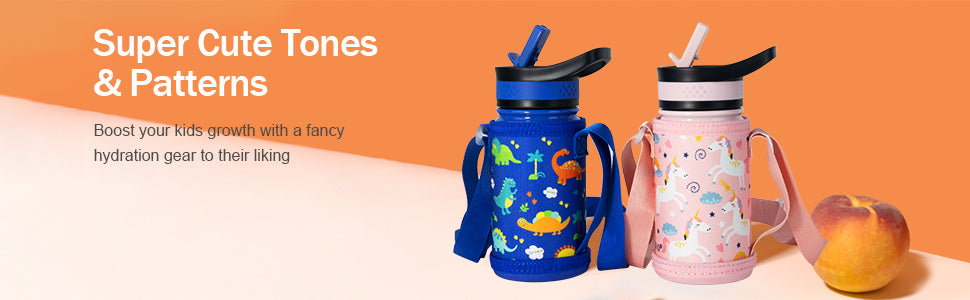
For Schoolchildren: 12–16 oz
A 12–16 oz bottle is often easier for younger students to carry and handle. Choose a leak-resistant design that's simple to open, clean, and refill.
Older students or children involved in sports may prefer a larger size. Check school refill options and choose a capacity that suits the child's age and activities.
For People Who Prefer Fewer Refills: 64–128 oz
If you have limited access to a refill station or simply prefer to fill your bottle less often, a 64–128 oz option may suit your routine. Keep in mind that a full bottle of this size can be heavy and may be less convenient to carry.
For stationary use, such as at a desk or campsite, a large bottle can be especially practical.
For People Carrying Hot Drinks: 16–20 oz
A 16–20 oz insulated bottle or travel mug is a convenient size for coffee, tea, and other hot beverages on the go. It is generally easier to hold and pack than a large water bottle.
Make sure the container is specifically designed for hot liquids, and follow its instructions for safe filling and drinking.
For Desk Workers Who Prefer a Compact Bottle: 16–20 oz
If you work at a desk and want to make regular water breaks part of your routine, a 16–20 oz bottle is a compact, easy-to-handle choice. Keep it within reach and refill it throughout the day as needed.
Unlike the 32–40 oz office option above, this smaller size prioritizes portability and convenience over fewer refills. The 16–20 oz figure is the bottle's capacity, not a recommended daily water intake.
Final Tips for Choosing Your Bottle
Start with a capacity that fits your daily routine, then consider comfort, weight, insulation, cleaning, and refill access. Remember that larger isn't always better: the best bottle is one you'll enjoy using consistently.


